
PROPULSION
GTL designs rocket propulsion to be stable from the first firing — using its UCDS combustion-stability insight to achieve high performance and a high stability margin at once, instead of chasing instability out with costly iterative testing.
Designed stable, not fixed later.
Historically, engines were designed for performance and then had combustion instability “fixed” through iterative testing — driving up cost and risk. The Superior Stability Engine instead is designed with a high stability margin from the start, using the insight of the UCDS Process, while still achieving high performance.
Under a NASA-GRC Phase II SBIR, GTL developed the SSE concept; in a $2.8M Air Force SMC effort, GTL designed, built, and test-fired the 5,000-lbf vacuum-thrust LOX/LCH₄ SSE. Pulse testing confirmed excellent stability as predicted, alongside high performance.
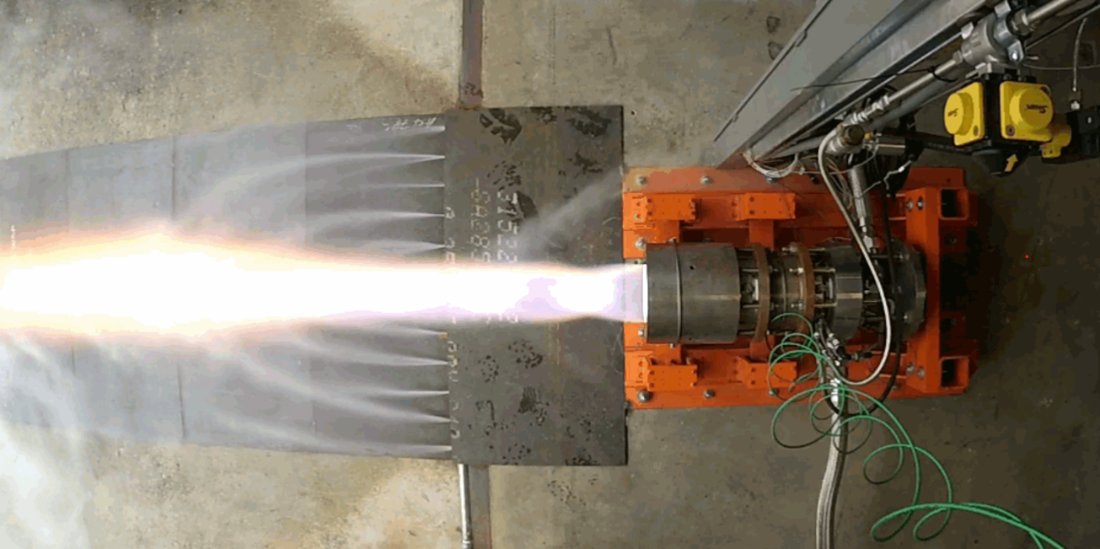
A proven high-thrust heritage.
In the mid-1990s, GTL (as PacAstro) developed the PA-E15k liquid rocket engine — a 15,000-lbf-thrust LOX/RP-1 engine test-fired 80 times at Edwards AFB, demonstrating stable operation and high performance.
A higher-thrust PA-E30k variant was subsequently designed and fabricated.
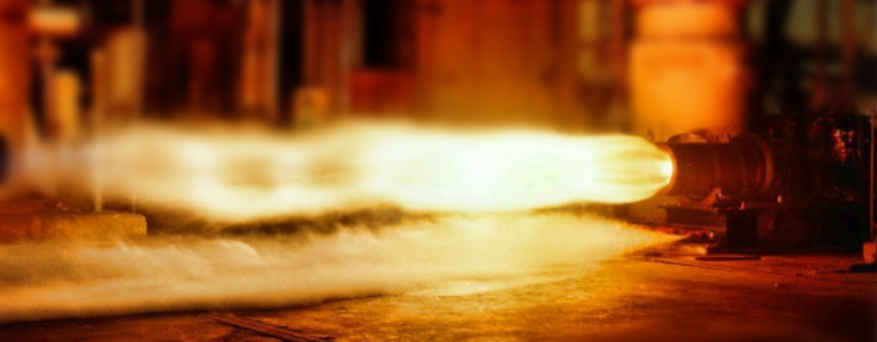
Cryogenic lines and valves that chill down fast.
Beyond engines and tanks, GTL develops high-performance cryogenic valves and propellant lines. Its ultralight BHL composite transfer lines cut chill-down time by over 90% versus equivalent stainless-steel lines, at roughly one-quarter the mass and 5–10× less thermal mass.
Lower thermal mass means far less propellant wasted pre-chilling lines and tanks, and much easier no-vent filling — widening the operational envelope of a cryogenic propellant economy in space.
 GTL
GTL
112 Mitchell Blvd, Tullahoma, TN 37388 · 931-455-7330