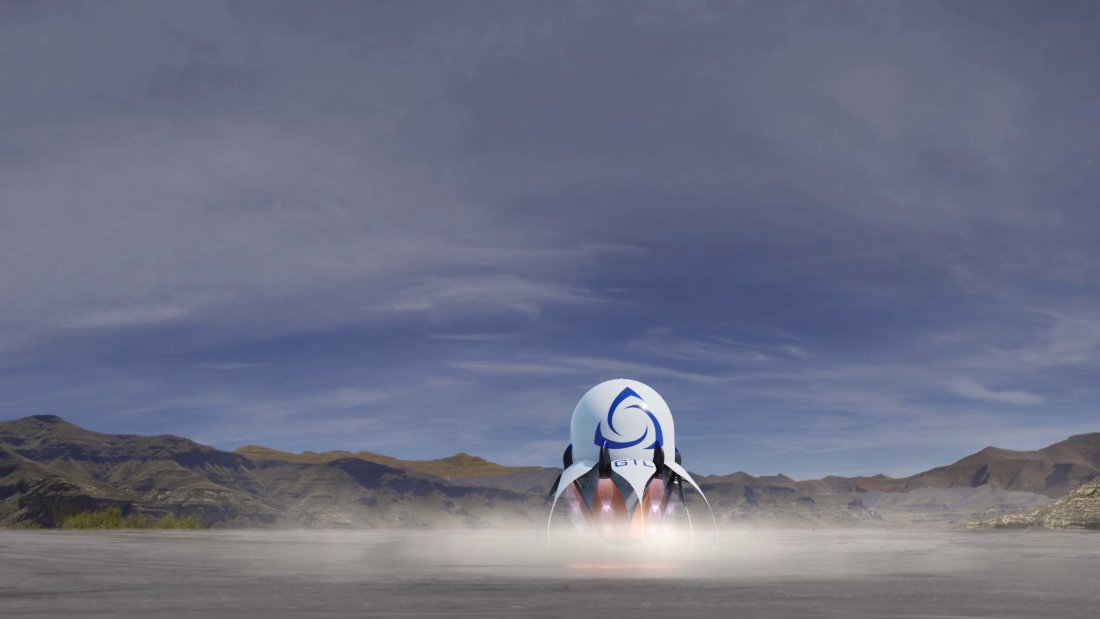

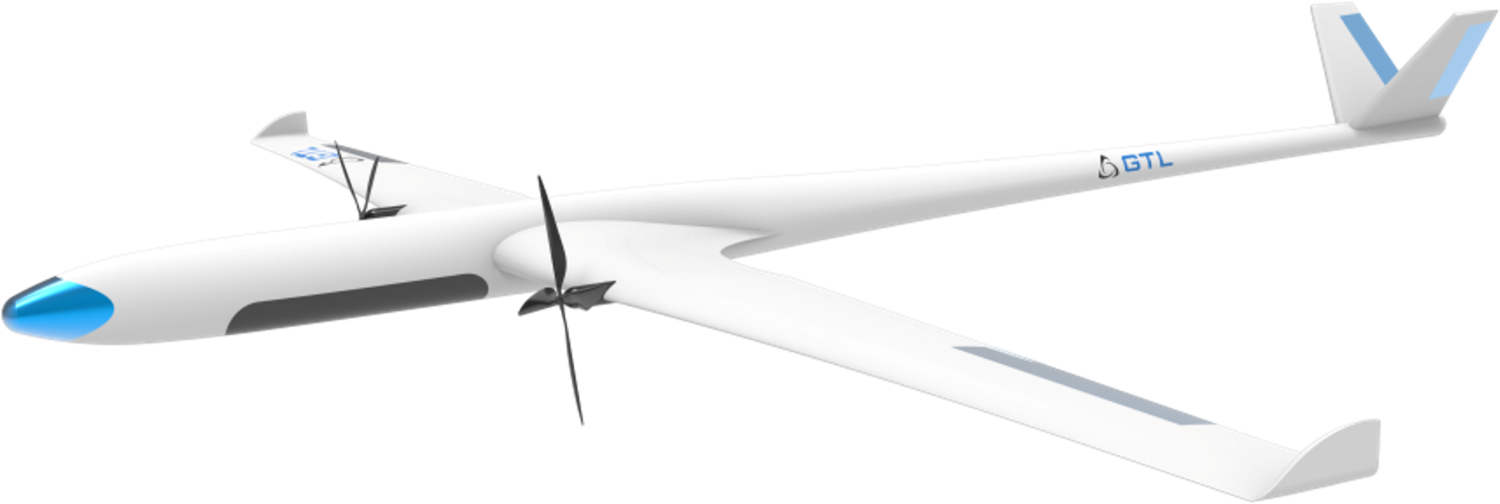
A persistent layer between drones and satellites.
Zeus is a high-altitude, long-endurance pseudo-satellite that operates in the stratosphere — above commercial air traffic and below orbiting satellites. Storing liquid hydrogen in ultralight BHL™ composite cryotanks, it reaches the mass fraction solar and battery platforms can't, turning two-week stratospheric flight into an operational reality.
Flying 1.5 million feet closer than a satellite, Zeus complements existing towers and satellites with lower latency — and, unlike a fixed tower, re-deploys to the exact area that needs coverage.
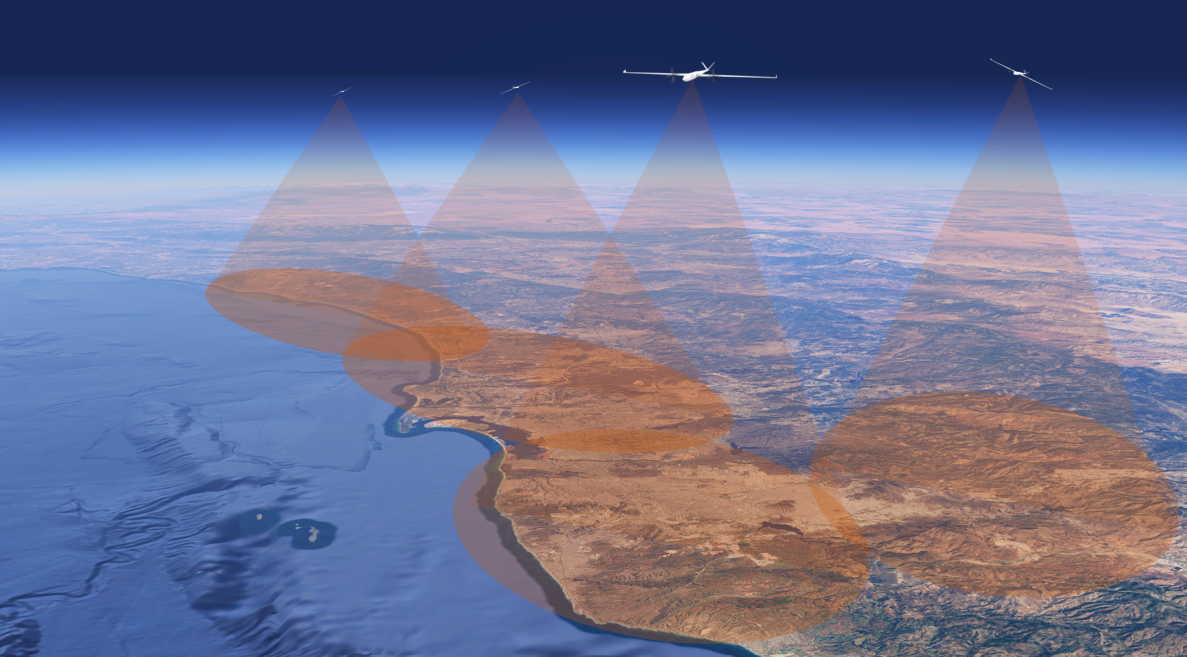
Connectivity for the places the network forgets.
Rural & suburban
High-speed coverage for rural areas and the adjacent suburbs that fixed networks leave behind.
Disaster restoration
Rapid connectivity restored when storms or outages take ground infrastructure down.
Seasonal & events
Surge capacity positioned over temporary spikes in demand, then relocated when they pass.
Telecom & broadband
A stratospheric layer that complements existing towers and satellites — filling gaps, not replacing them.
Low-latency 5G
1.5 million feet closer than a satellite, delivering high-speed 5G straight to standard mobile phones.
Re-deployable coverage
Not fixed to a tower site — Zeus flies to where connectivity is needed and moves as demand shifts.
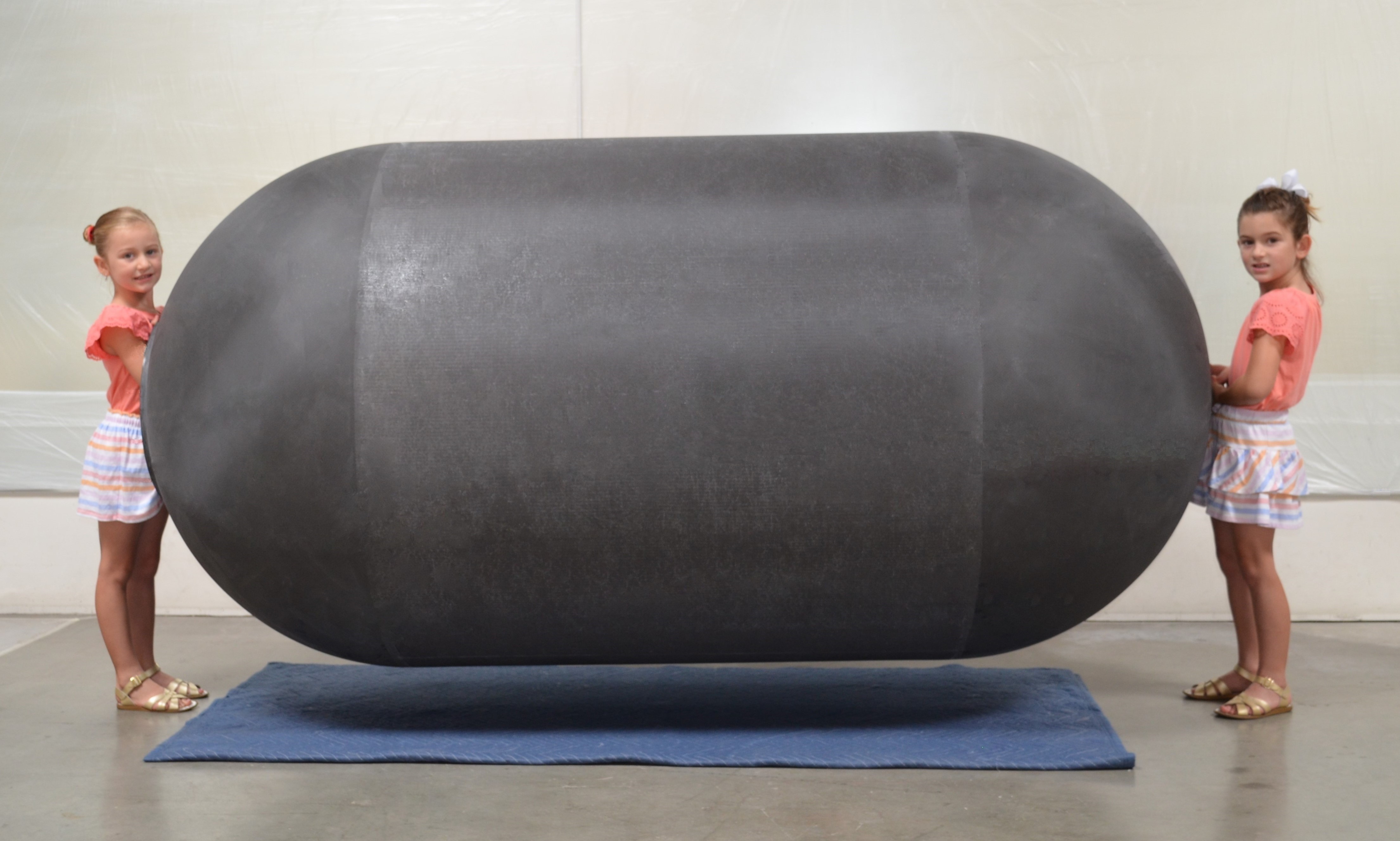
BHL™ composite cryotanks.
GTL's Blended Hybrid Laminate cryotanks are the reason Zeus can fly. Developed with NASA and DARPA funding, they hold cryogenic liquid hydrogen at a fraction of the weight of conventional tanks — these same ultralightweight Dewars give Zeus its two-week stratospheric endurance.
Proving the powertrain, one record at a time.
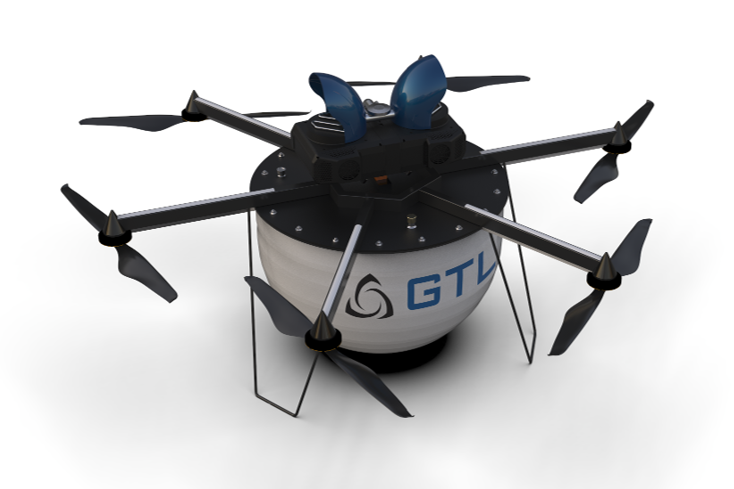
GTL is building an experimental hydrogen multirotor demonstrator designed to hover for more than 24 hours continuously — a world-record-class endurance flight that validates the liquid-hydrogen powertrain behind Zeus before it scales to the stratosphere.
Powering the first hydrogen organ-delivery helicopter.
United Therapeutics' Unither Bioelectronics flew the world's first hydrogen fuel-cell Robinson R44 — to carry manufactured organs with zero emissions. GTL is building the liquid-hydrogen tank for its next phase.
The demonstrator first flew on a compressed-gas tank holding up to 4.5 kg of hydrogen. GTL's vacuum-insulated, dual-shell composite Dewar replaces it with up to 20 kg of liquid hydrogen — lower thermal mass, far less boil-off, and a dramatic jump in range and endurance.

Our own liquid hydrogen, made on site.
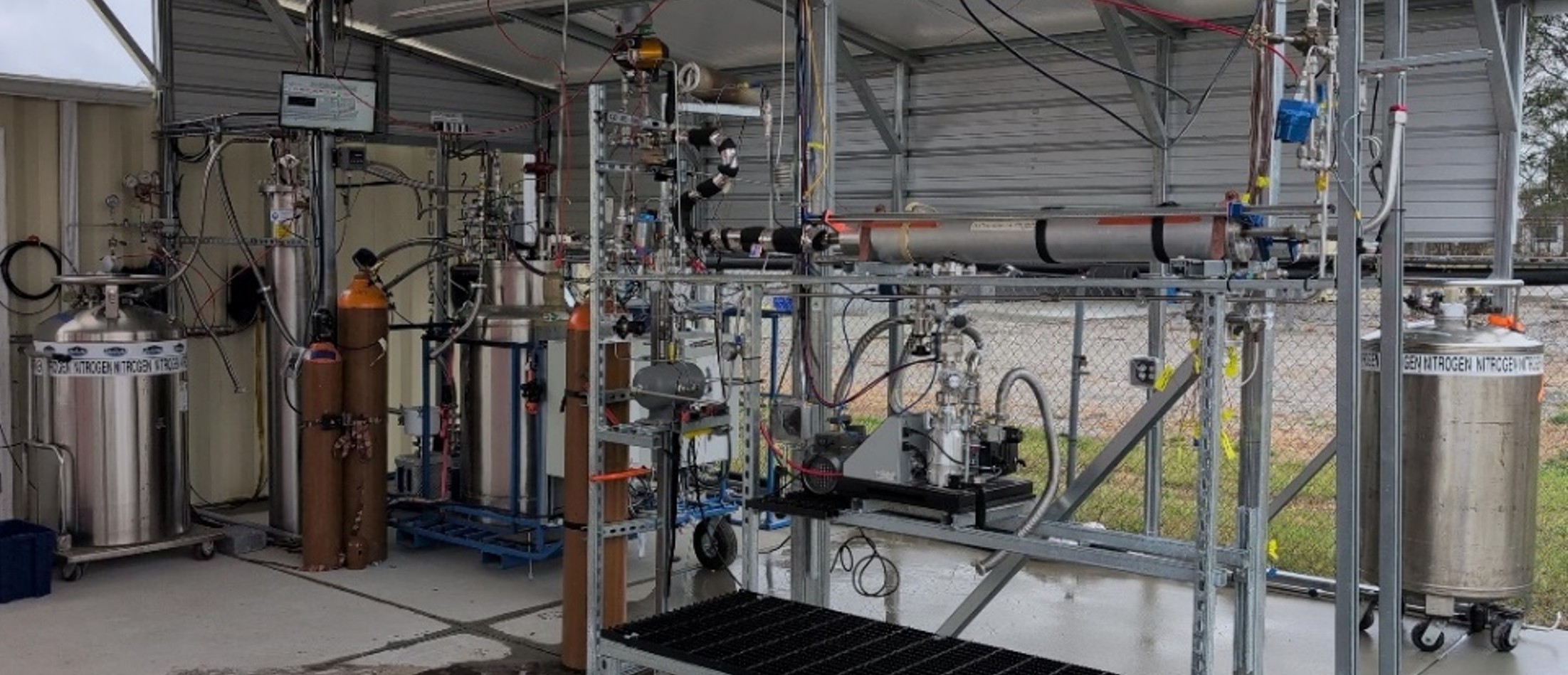
Zeus runs on liquid hydrogen because nothing else packs as much energy per kilogram — the performance that makes two-week flight possible. GTL produces it on demand at our own facility in middle Tennessee, removing the logistics bottleneck that has held hydrogen flight back and letting us test cryogenic storage and fuel systems end to end.
Own a stake in the persistent-flight layer.
GTL has spent two decades building the hard technology — cryotanks, propulsion, composites — that a hydrogen HALE aircraft requires. Zeus turns that portfolio into a product. We're opening the round to build and fly.
 GTL
GTL
112 Mitchell Blvd, Tullahoma, TN 37388 · 931-455-7330