
COMPOSITES
GTL's composites group builds advanced prototypes and technologies for aerospace and other extreme environments — especially the cryogenic ones — across a wide variety of applications, fabrication methods, and materials.
75% lighter, leak-tight, flight-relevant.
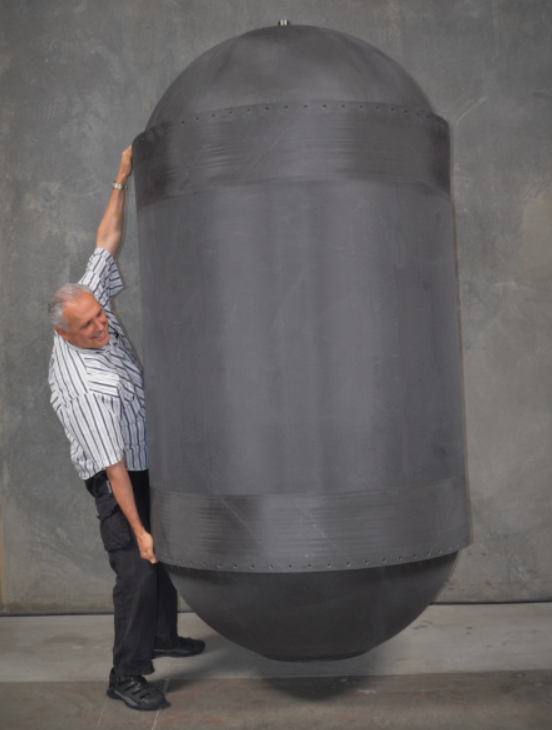
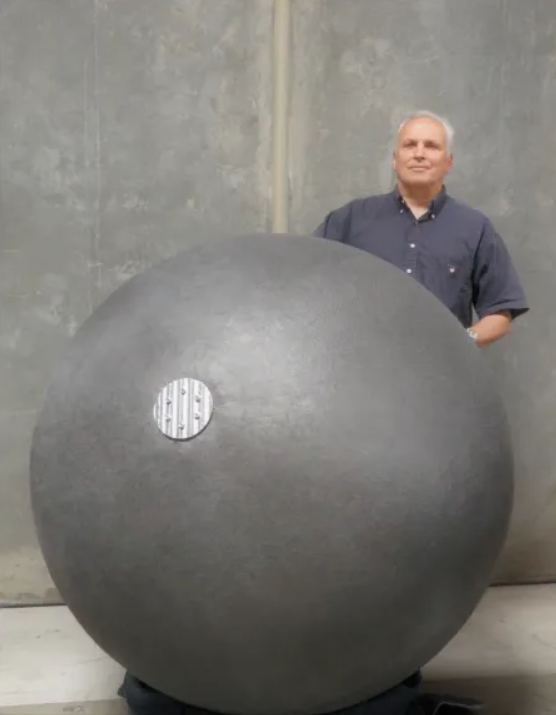
BHL™ Cryotanks deliver a 75% mass reduction versus state-of-the-art aerospace cryotanks — metal or composite. GTL has fabricated and tested BHL cryotanks at a range of scales, including an ultra-high-performance 4-ft-diameter by 8-ft-long BHL composite liquid-oxygen tank — and, more recently, tanks up to 63 in outer diameter.
They remain leak-tight even after repeated cryo-thermal pressure cycles. The technology has reached TRL 6+ and is compatible with liquid oxygen, liquid methane, liquid hydrogen, and liquid helium.
A structure that carries its own power and data.
GTL's Structural Nervous System™ (SNS™) adds power and data circuits directly to load-bearing composite structures — turning the structure itself into the vehicle's wiring backbone.
- ◆Data and power circuits are added to load-bearing composite structures.
- ◆A structural bus carries multiple independent circuits at different voltages.
- ◆Electronics, mechanisms, and valves plug directly into the structure — no wiring harness required.
- ◆Demonstrated at both small and large scale.

Cryo lines that chill down in seconds.
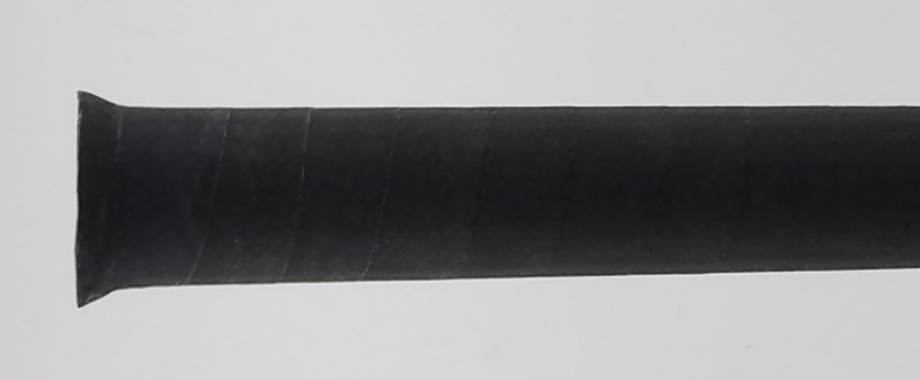
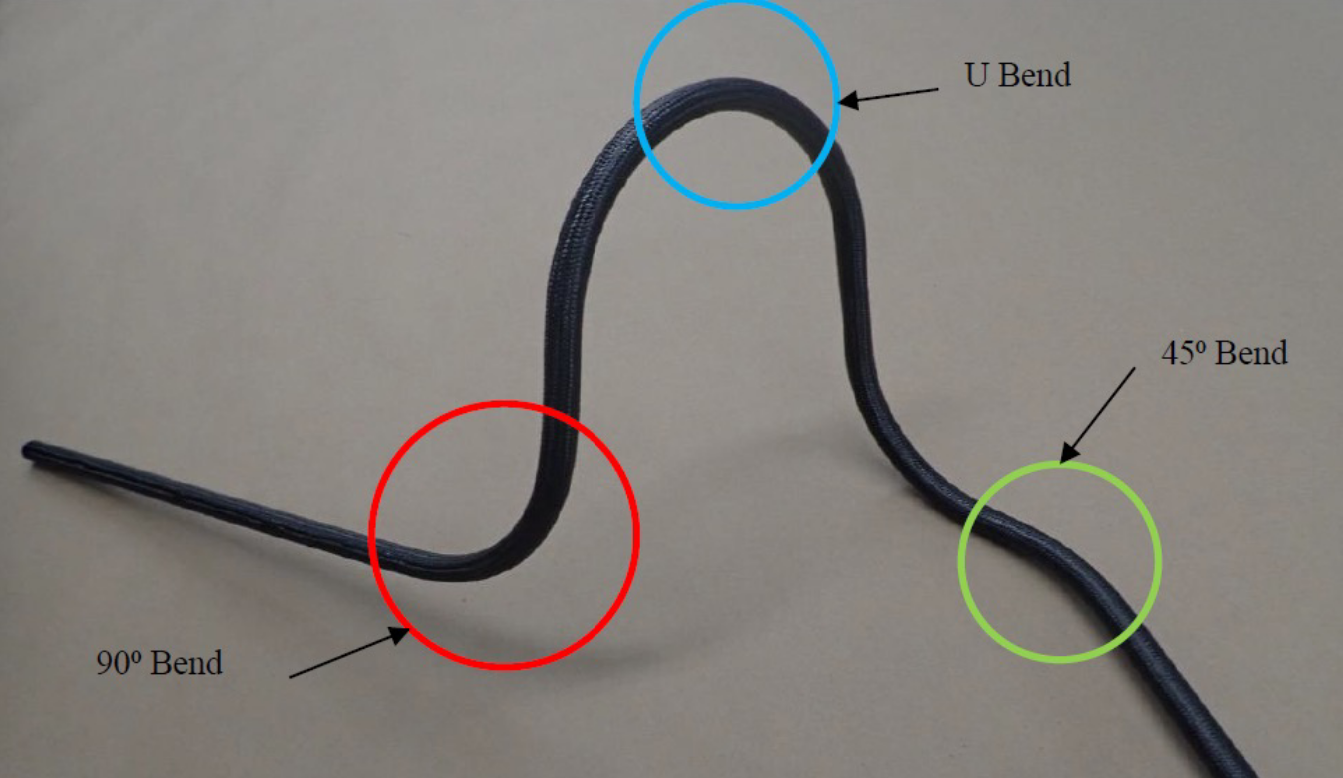
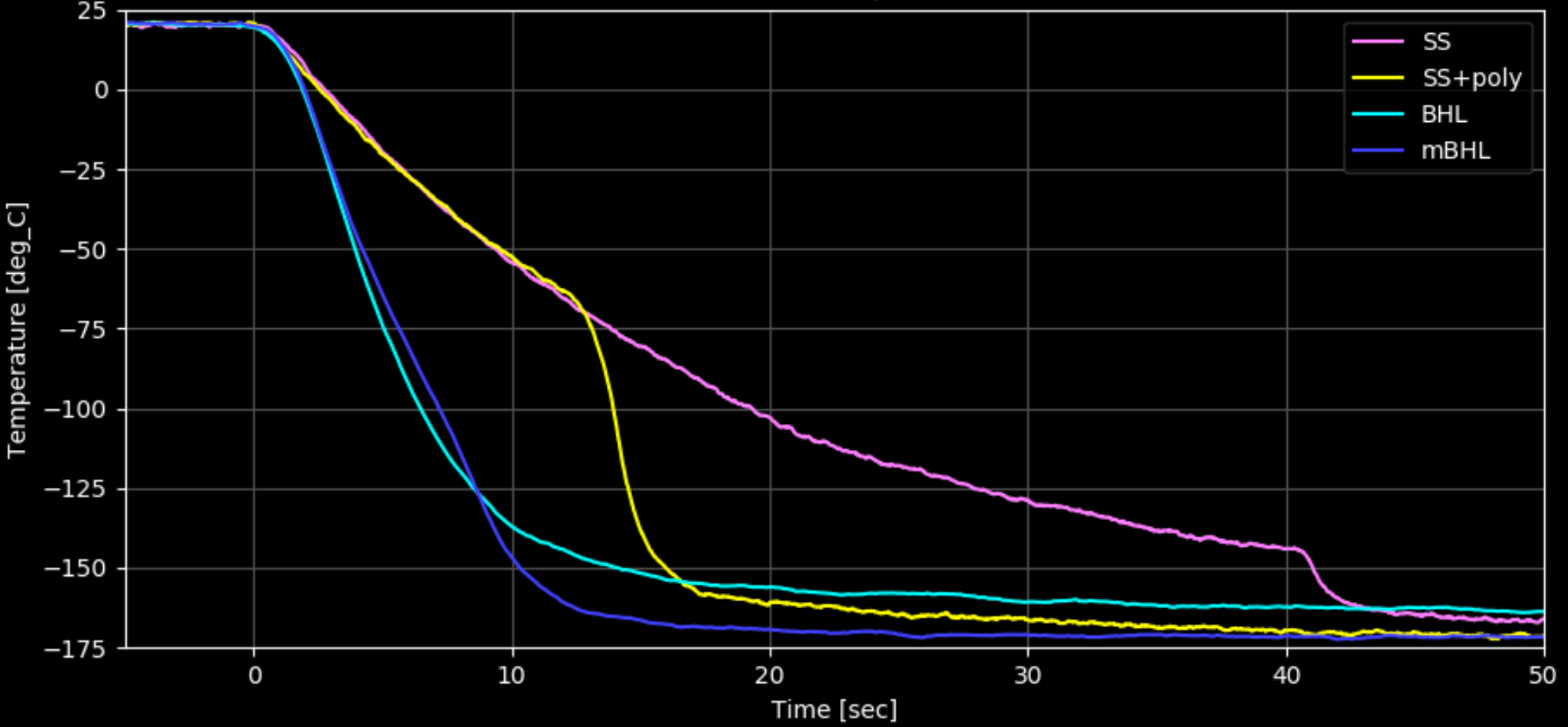
Under a NASA-GRC Phase I/II SBIR, GTL demonstrated the benefits of BHL™ composite tubing for cryogenic fluid systems. Its dramatically lower thermal mass drives a significant change in cooling rate — rapid chill-down of tubes and tanks minimizes transient flow and propellant waste, and improves in-space cryogenic tank filling.
 GTL
GTL
112 Mitchell Blvd, Tullahoma, TN 37388 · 931-455-7330