
Modeling &
simulation
GTL's analysis capability is the foundation under its hardware — predicting combustion stability and coupled physics before anything is built, so engines and structures are designed right the first time.
The UCDS model, decades in the making.
GTL's Universal Combustion Device Stability (UCDS) model — rooted in Chief Engineer Dr. Gary Flandro's 40+ years of combustion-instability research — provides an unprecedented ability to accurately predict the stability of steady-flow combustion devices. Dr. Josh Batterson and Dr. Eric Jacob have continued Dr. Flandro's work, extending UCDS to include full multi-physics numerical simulation, nonlinear wave-steepening, and CFD CI post processing analysis.
Rather than discovering instability on the test stand, UCDS lets GTL design in a high stability margin from the outset — the insight behind the Superior Stability Engine.
Coupled analysis across fluids, structures, and thermal.
GTL applies coupled multiphysics modeling — fluid dynamics, structural, and thermal analysis — to aerospace systems operating in extreme environments, from cryogenic tankage to high-temperature propulsion, linking the physics that conventional single-discipline tools treat in isolation.
This work is led by Dr. Josh Batterson, GTL's Director of Modeling & Simulation, whose custom multiphysics framework couples a compressible reacting-flow CFD solver with conjugate heat transfer, acoustics, and structural mechanics — spanning acoustic, vorticity, thermal, and hydrodynamic wave solvers, genetic algorithms, smoothed-particle hydrodynamics, and structural mechanics.
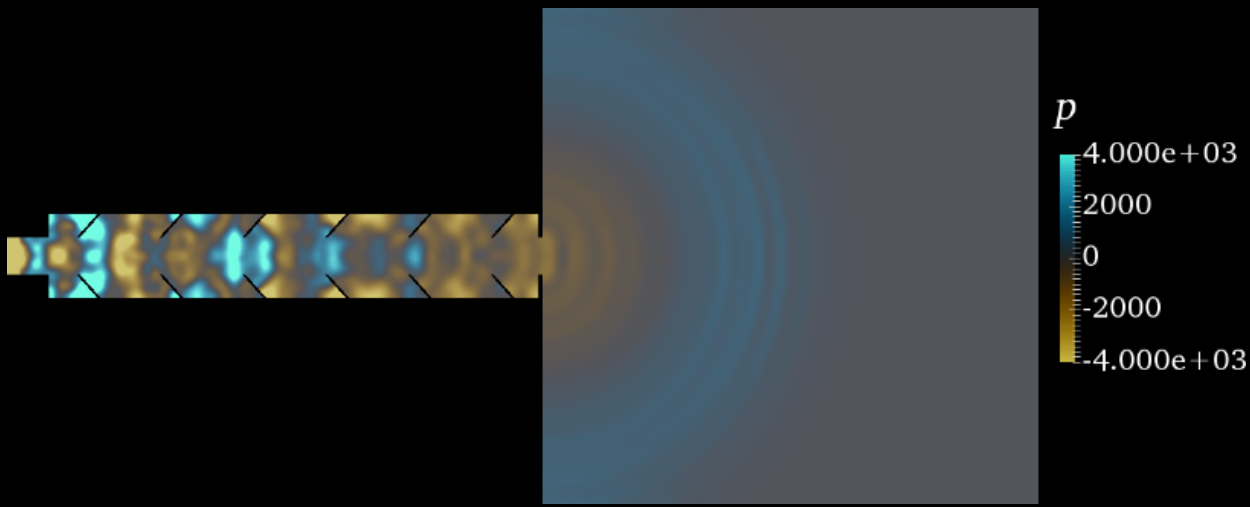
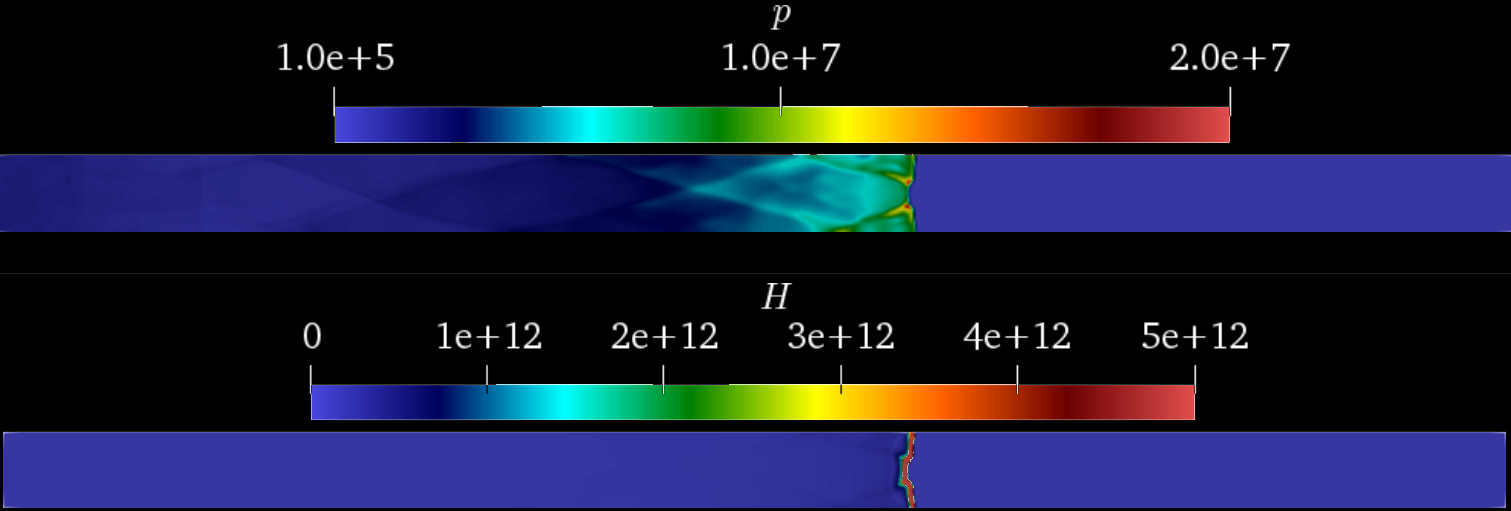
Seeing the instability, mode by mode.
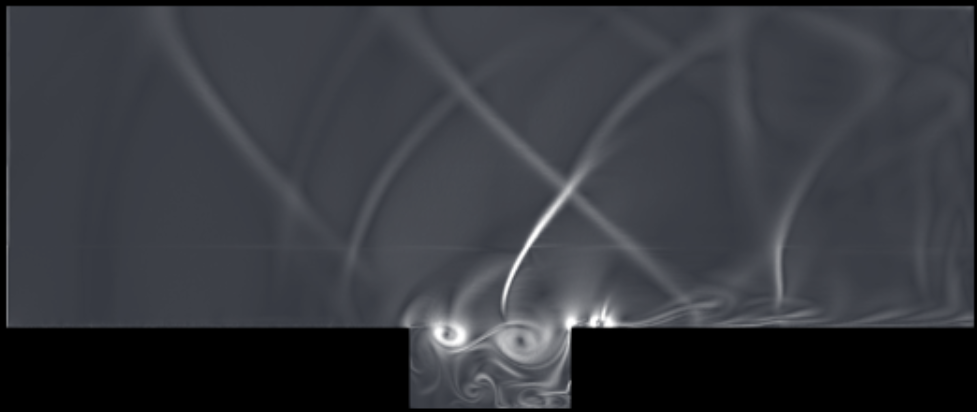
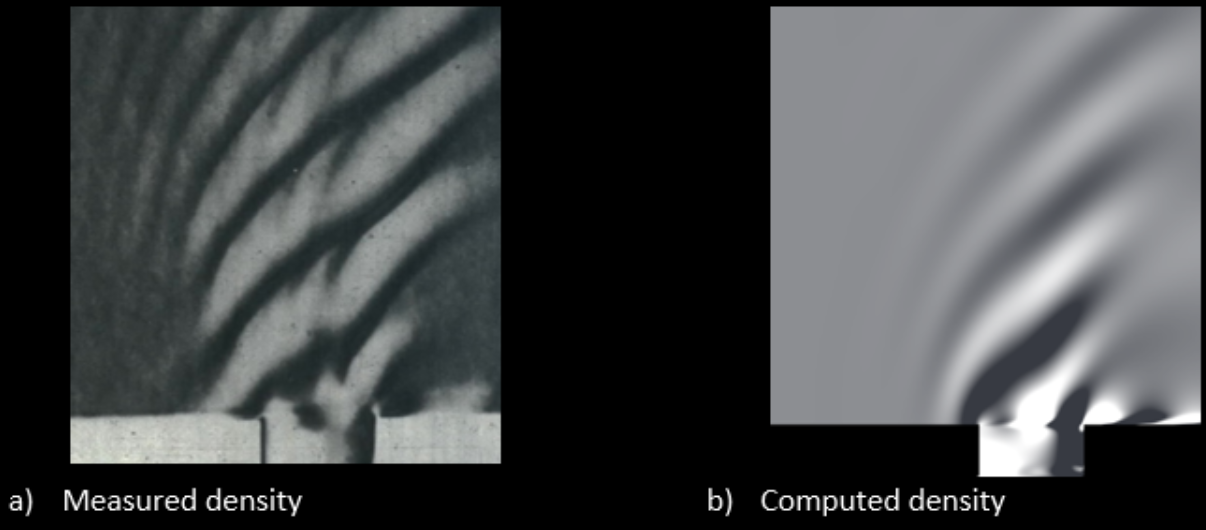
SimDAT is GTL's simulation data-analysis toolset. Starting from the unsteady flow field, it decomposes the solution into individual acoustic and hydrodynamic modes, then localizes where sound is generated — isolating the vortex-shedding and heat-release sources that drive combustion instability. This methodology is detailed in our AIAA-JPP publication.




 GTL
GTL
112 Mitchell Blvd, Tullahoma, TN 37388 · 931-455-7330