

One stage. To orbit and home again.
Single-stage-to-orbit has been the holy grail of spaceflight for half a century — held back by one thing: mass. Nautilus closes the gap with GTL's ultralight cryogenic composite tanks, reaching the propellant mass fraction that a fully reusable SSTO demands.
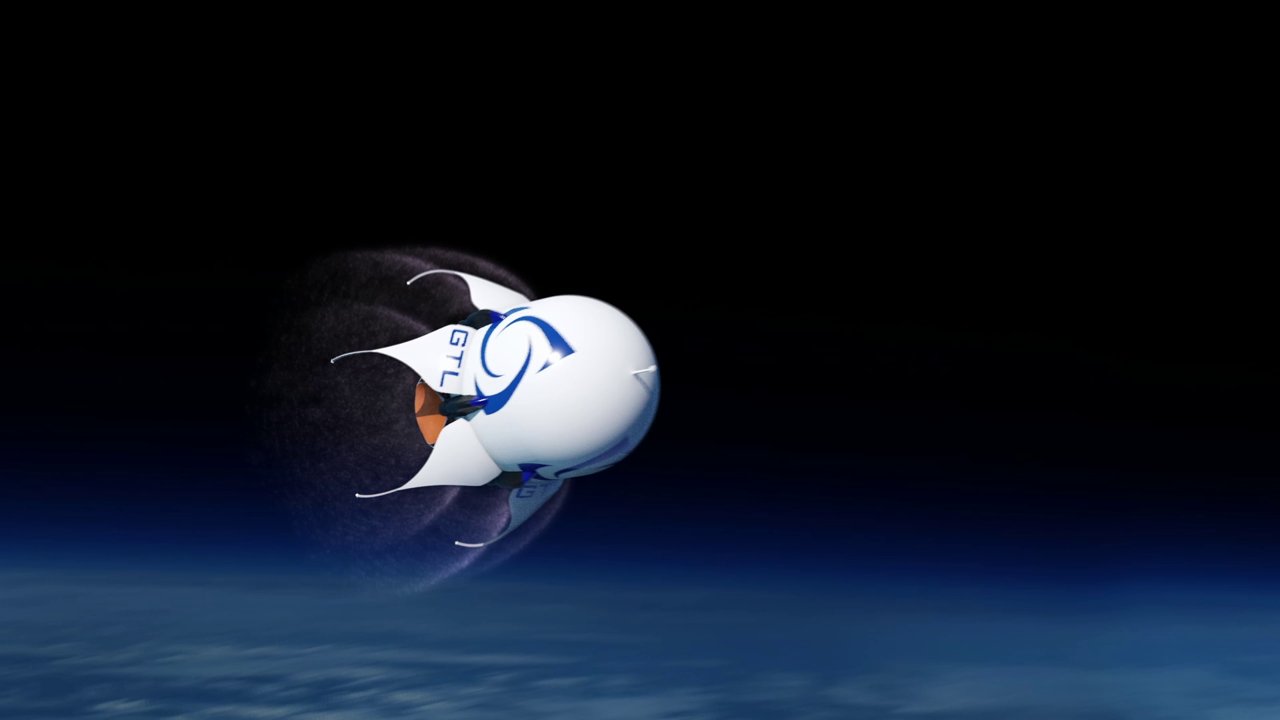
Its broad, blunt aeroshell doubles as its own re-entry system. No expended stages, no drop tanks, no throwaway hardware — the whole vehicle flies again.
A launch vehicle that behaves like an aircraft.
Six capabilities that together rewrite the economics of getting to space and back.
Lightweight cryogenic composites
GTL's BHL™ composite cryotanks store cryogenic propellant at a fraction of conventional tank weight — the enabling technology that makes a reusable SSTO possible.
Low ballistic coefficient
A broad, blunt aeroshell spreads re-entry loads across a wide area, so the vehicle decelerates high and slow — with dramatically lower heating and no massive thermal protection system.
No ground structure
Nautilus needs no launch pad, tower, or flame trench to fly. It lifts off and returns to unimproved sites — expanding where and how quickly it can operate.
Bottom-loaded payload
Payload is loaded and unloaded at the base of the vehicle, enabling aircraft-like ground operations and fast turnaround between flights.
Point-to-point cargo
The same operational model delivers rocket cargo point-to-point across the globe — payload delivered anywhere in under an hour.
Reusable single stage to orbit
No stages to expend, no hardware left behind. One vehicle flies to orbit, comes home, and flies again.
One vehicle, the whole mission.
Liftoff to landing on a single reusable stage — nothing expended, nothing left behind.
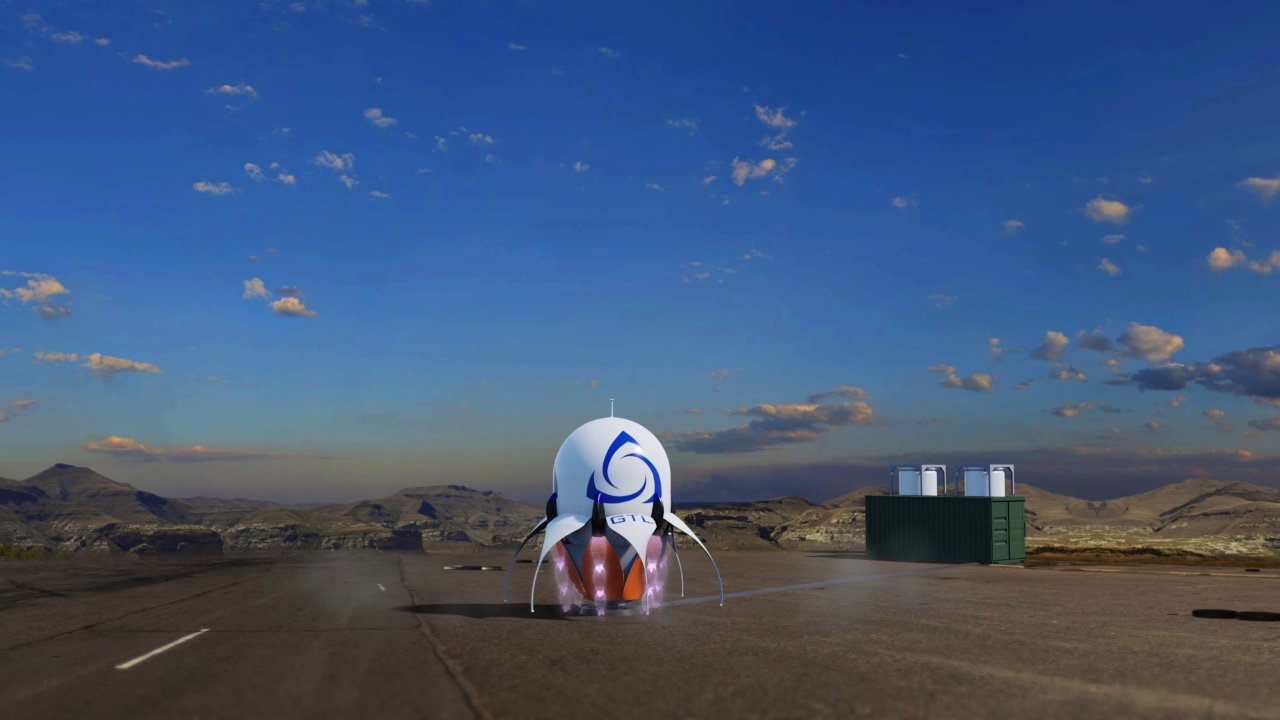
Vertical launch from an unimproved site — no pad, tower, or flame trench.

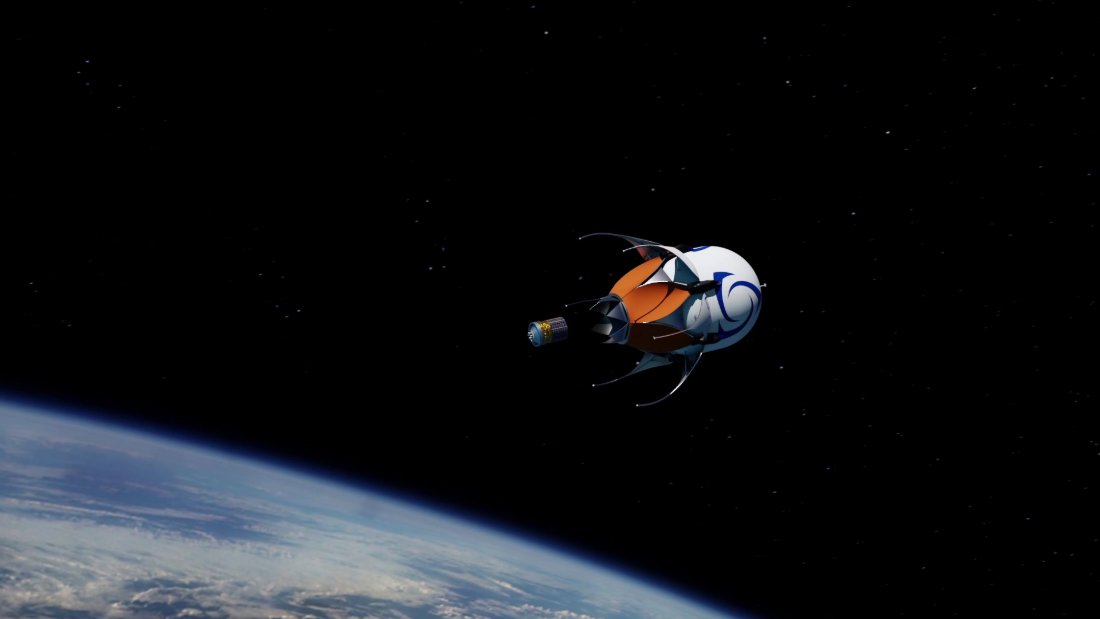
Climbing to orbit on a single stage under composite-tank propulsion.
Payload deployed on orbit — the whole vehicle carries the mission.
A low ballistic coefficient sheds velocity high in the atmosphere — keeping cool.
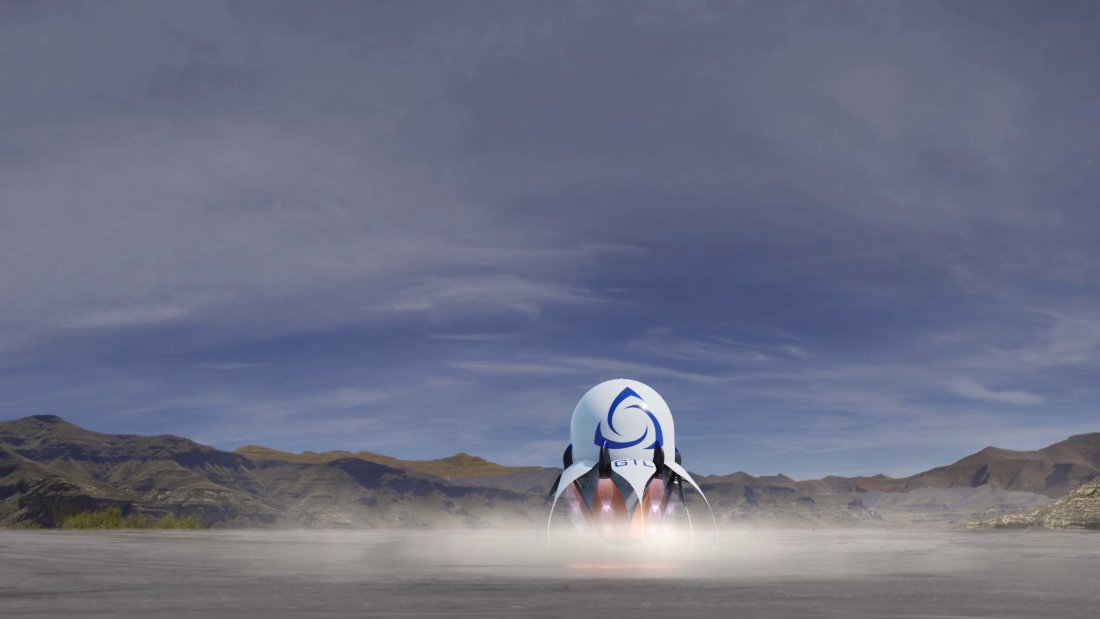
Propulsive return to the surface, upright and ready to fly again.
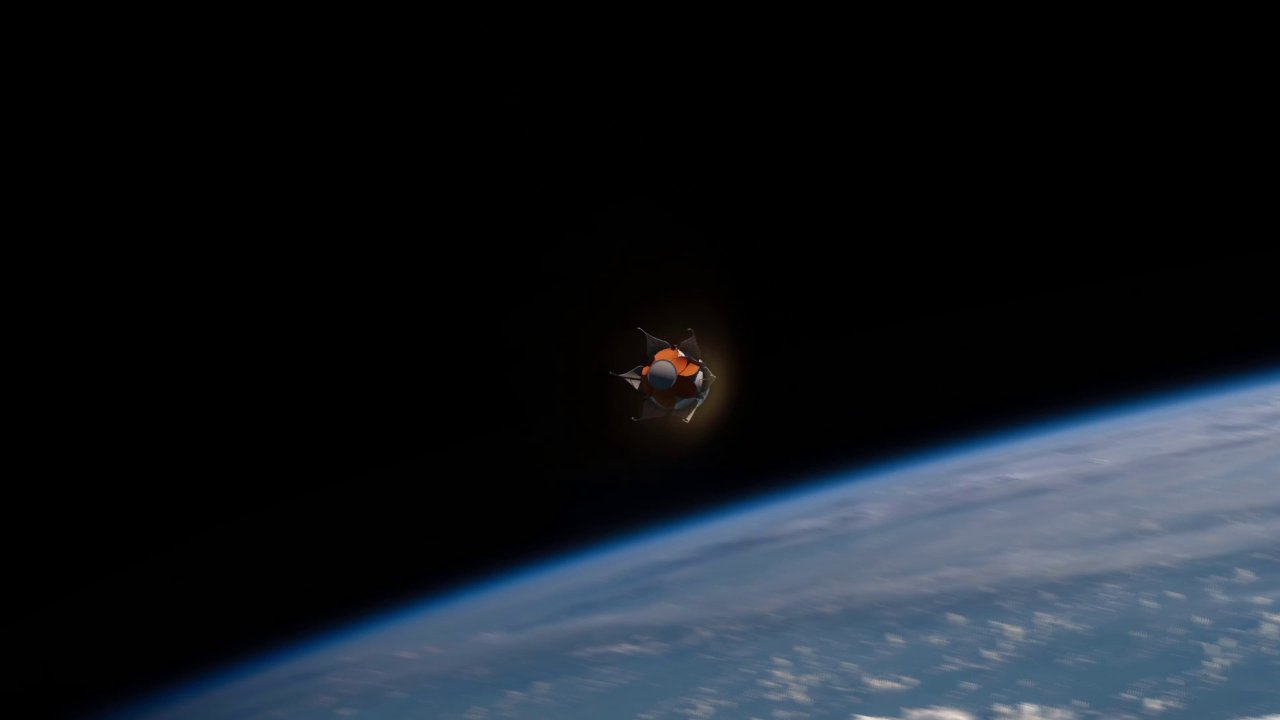
Low ballistic coefficient, low heating.
Conventional capsules re-enter fast and hot, demanding heavy ablative shields. Nautilus's wide, light aeroshell gives it a low ballistic coefficient — it sheds velocity high in the atmosphere, where the air is thin, so peak heating stays low.
Launch, land, load, and fly again — anywhere.
No pad. No tower.
With no ground structure required for launch or landing, Nautilus operates from austere and forward sites that no conventional rocket can use.
Aircraft-like turnaround.
Payload loads and unloads at the base of the vehicle, so ground crews service it like an aircraft — no cranes, no stacking, minimal downtime.
Cargo, anywhere, fast.
The same platform carries rocket cargo point-to-point across the planet — urgent payload delivered in the time a jet needs to taxi.
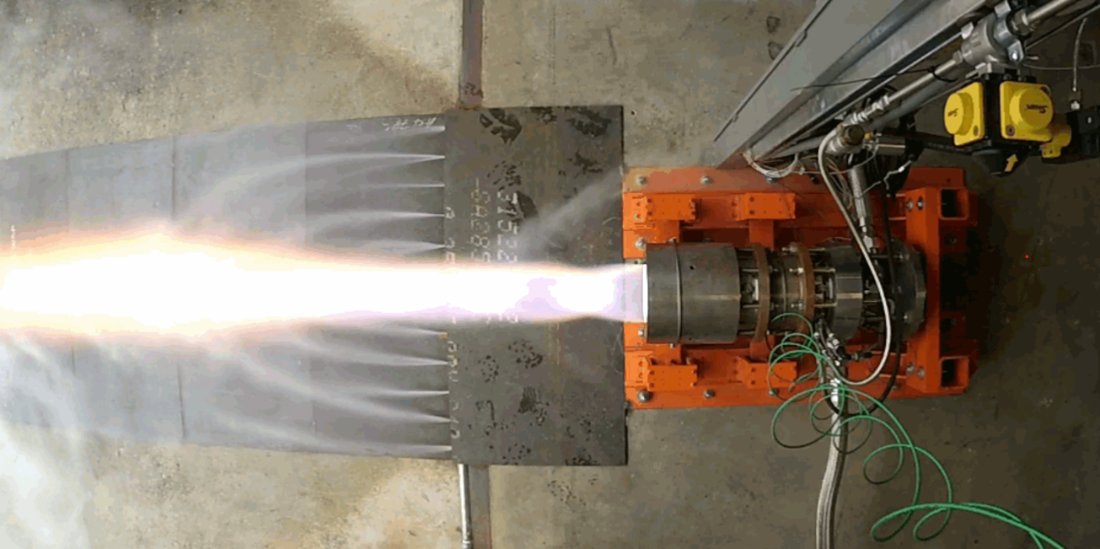
An existing rocket engine
Nautilus is powered by GTL's hot fire tested Superior Stability Engine (SSE) — a LOX/LCH₄ engine designed stable from the first firing, not fixed on the test stand.
Explore SSE propulsion →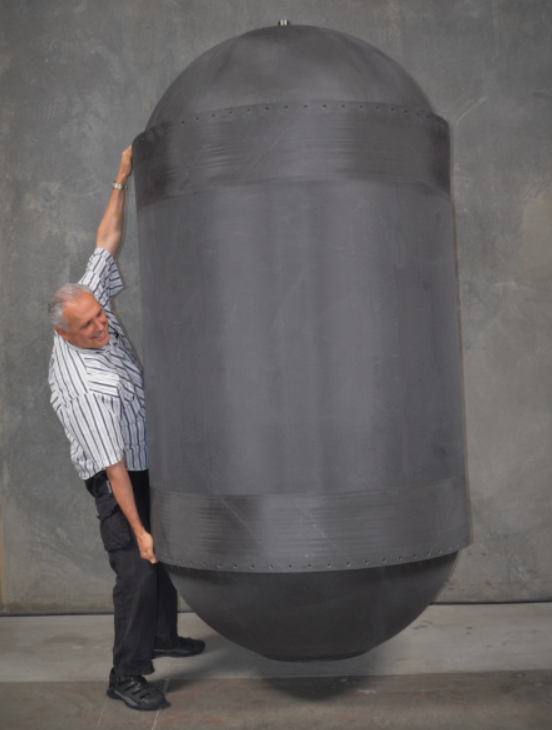
Proven composite tank tech
Nautilus uses GTL's BHL™ composite cryotanks — up to 75% lighter than the state of the art, built and tested at scales up to 4 ft × 8 ft and bigger.
Explore composite cryotanks →Build the first reusable single stage to orbit.
Two decades of cryogenic composite and propulsion technology, converging on one vehicle. Let's talk about the program. We are actively seeking investors — GTL's BHL™ tank technology applies across a wide variety of markets.
 GTL
GTL
112 Mitchell Blvd, Tullahoma, TN 37388 · 931-455-7330